
Plasmid Transformation Protocol: Introduction of Plasmid DNA into Competent Cells
Plasmid Transformation Protocol: Introduction of Plasmid DNA into Competent Cells
Introduction
Plasmid transformation is a fundamental technique in molecular biology used to introduce recombinant plasmid DNA into competent bacterial cells. Following transformation, bacteria carrying the desired plasmid can be selected through antibiotic resistance screening and further used for plasmid amplification, cloning, sequencing, and downstream molecular biology applications.
This protocol describes a standard heat shock transformation procedure, including competent cell preparation, plasmid DNA introduction, recovery, bacterial selection, and colony screening.
I. Plasmid Transformation Procedure
1. Preparation of Competent Cells
Remove the appropriate competent cells from the −80°C freezer.
Thaw the cells on ice or in an ice box at room temperature.
Label the tubes appropriately.
2. Addition of Plasmid DNA
Add 2 μL plasmid DNA to the competent cells.
Place the tubes on ice and incubate for 30 min at 4°C.
3. Heat Shock Transformation
Heat shock the competent cells in a 42°C water bath for 1 min.
Immediately transfer the tubes back onto ice and incubate for 2 min.
4. Recovery of Transformed Cells
Add 900 μL LB medium to each tube.
Incubate at 37°C with shaking at 150 rpm for 45 min to allow bacterial recovery and expression of antibiotic resistance markers.
5. Bacterial Selection
Spread 100 μL of the recovered transformation mixture onto an agar plate containing the appropriate antibiotic.
Add an appropriate amount of sterile glass beads and evenly distribute the bacterial suspension across the plate.
6. Colony Growth
Invert the plates and incubate overnight in a 37°C incubator.
II. Important Notes
1. Competent Cell Handling
Competent cells can be aliquoted into sterile microcentrifuge tubes for convenient use.
Avoid repeated freeze–thaw cycles to maintain transformation efficiency.
2. Optimization of Plating Efficiency
If necessary, centrifuge the transformation mixture at:
6,000 rpm for 3 min
Remove most of the supernatant and retain approximately 100 μL.
Resuspend the bacterial pellet thoroughly and spread the entire suspension onto the corresponding selective agar plate.
3. Sterile Operation
All transformation procedures should be performed under aseptic conditions, preferably in a clean bench or biosafety cabinet.
III. Colony Quality Control Criteria
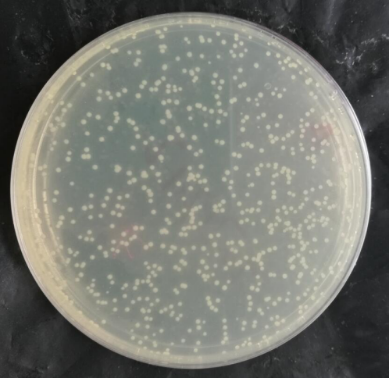
For successful plasmid transformation, colonies should meet the following quality standards:
- Colonies should not be excessively small, overcrowded, or overgrown due to prolonged incubation.
- Ideal colonies should appear moderate in size, well-isolated, and evenly shaped.
- When viewed against light, colonies should appear full and translucent, indicating healthy bacterial growth.
- Plates should contain minimal satellite colonies to ensure accurate antibiotic selection.
Selecting high-quality single colonies helps improve plasmid preparation reliability and downstream experimental consistency.
IV. Frequently Asked Questions
What is plasmid transformation?
Plasmid transformation is a molecular biology technique that introduces foreign plasmid DNA into bacterial cells, enabling plasmid replication and amplification within the host.
Why are competent cells used for plasmid transformation?
Competent cells have increased membrane permeability, allowing externally added plasmid DNA to enter bacterial cells during transformation.
What is the purpose of heat shock during transformation?
Heat shock temporarily increases membrane permeability, facilitating plasmid DNA uptake by competent bacterial cells.
What are transformed colonies used for?
Successfully transformed colonies can be selected and expanded for plasmid amplification, plasmid preparation, sequencing validation, and other molecular biology applications.
Related Products
MiaoLingPlasmid provides:
- Ready-to-Use Plasmids
- Transfection-Grade Plasmids
- Expression Vectors
- Gene Overexpression Plasmids
- Custom Plasmid Construction Services
- Plasmid Preparation Services

